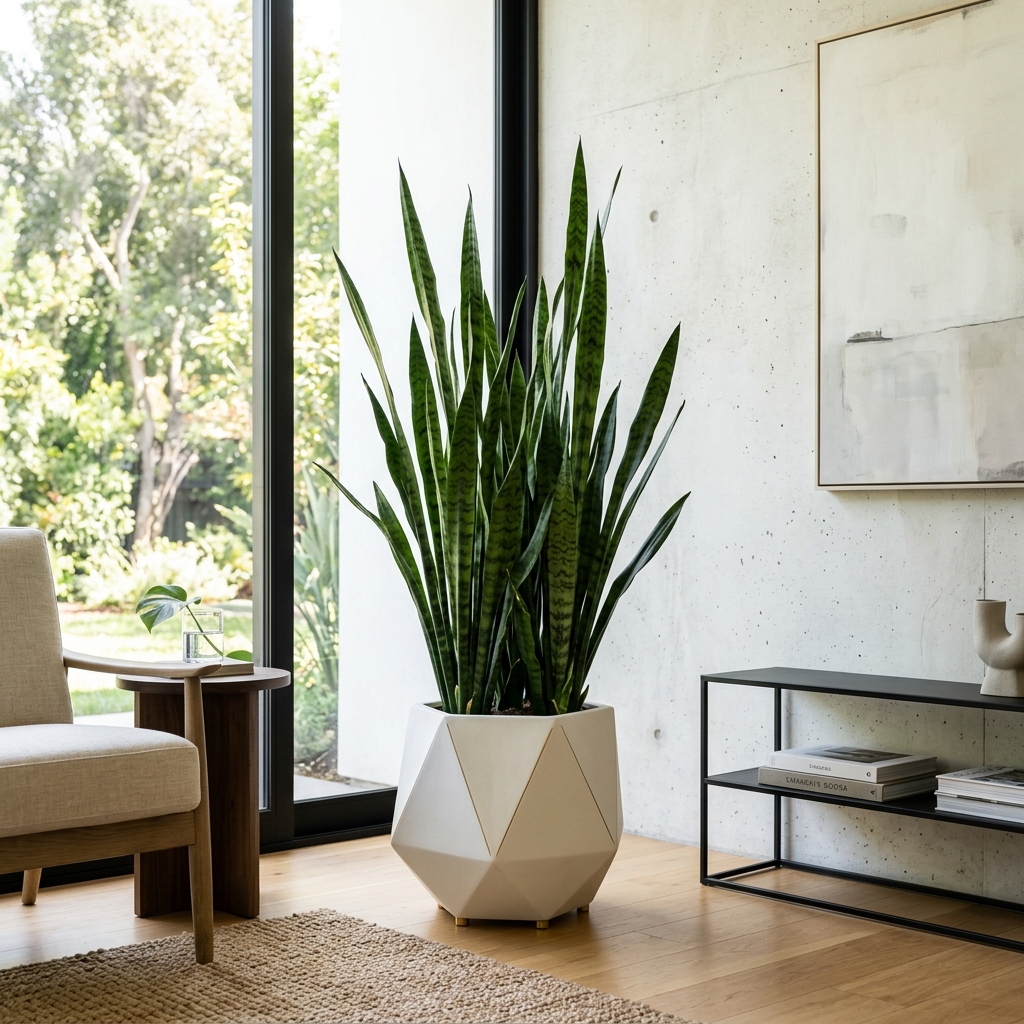
The Plantaria Conservatory
The 10 Botanical Icons
We didn’t just select these plants for their shelfie-ready looks. Our Top 10 were rigorously shortlisted to transform your home from furnished to finished.
Climate Compatibility
Species explicitly selected to thrive in Nairobi's unique high-altitude humidity and red-soil richness.
Architectural Impact
Plants that serve as living sculptures, engineered to complement the clean lines of modern Kenyan interiors.
Absolute Resilience
We prioritised forgiving greenery that adapts to the varied light profiles of local apartments, ensuring effortless plant parenthood.
The Curated Selection
Delivered expertly repotted and ready for your space.
Post-Acquisition
Gold Standard Good-to-Knows
The Double Pot is the Gold Standard
Keeping your plant in its plastic nursery pot and simply slipping it into your decorative planter isn’t a shortcut—it is the secret to perfect plant health. Lift it out to water in the sink, let it drain completely, and pop it back in. Zero water damage to your floors, and zero risk of root rot.
Trust the Finger Test
Overwatering is the number one reason indoor plants struggle. Before reaching for the watering can, poke your finger about an inch into the soil. If it feels completely dry, give it a drink. If it still feels damp, leave it alone for a few more days!
Chase Bright, Indirect Light
Most of our Top 10 thrive in bright, indirect sunlight. This means placing them in a well-lit room, but just out of the path of harsh, direct sunbeams which can scorch those beautiful, glossy leaves.
Dust is the Enemy
In Nairobi, dust can settle on broad leaves like the Peace Lily or Dieffenbachia, blocking the light they need to photosynthesise. Gently wiping the leaves down with a damp cloth once a month keeps them looking vibrant and breathing easy.